New Nausea talks Music for Frogs
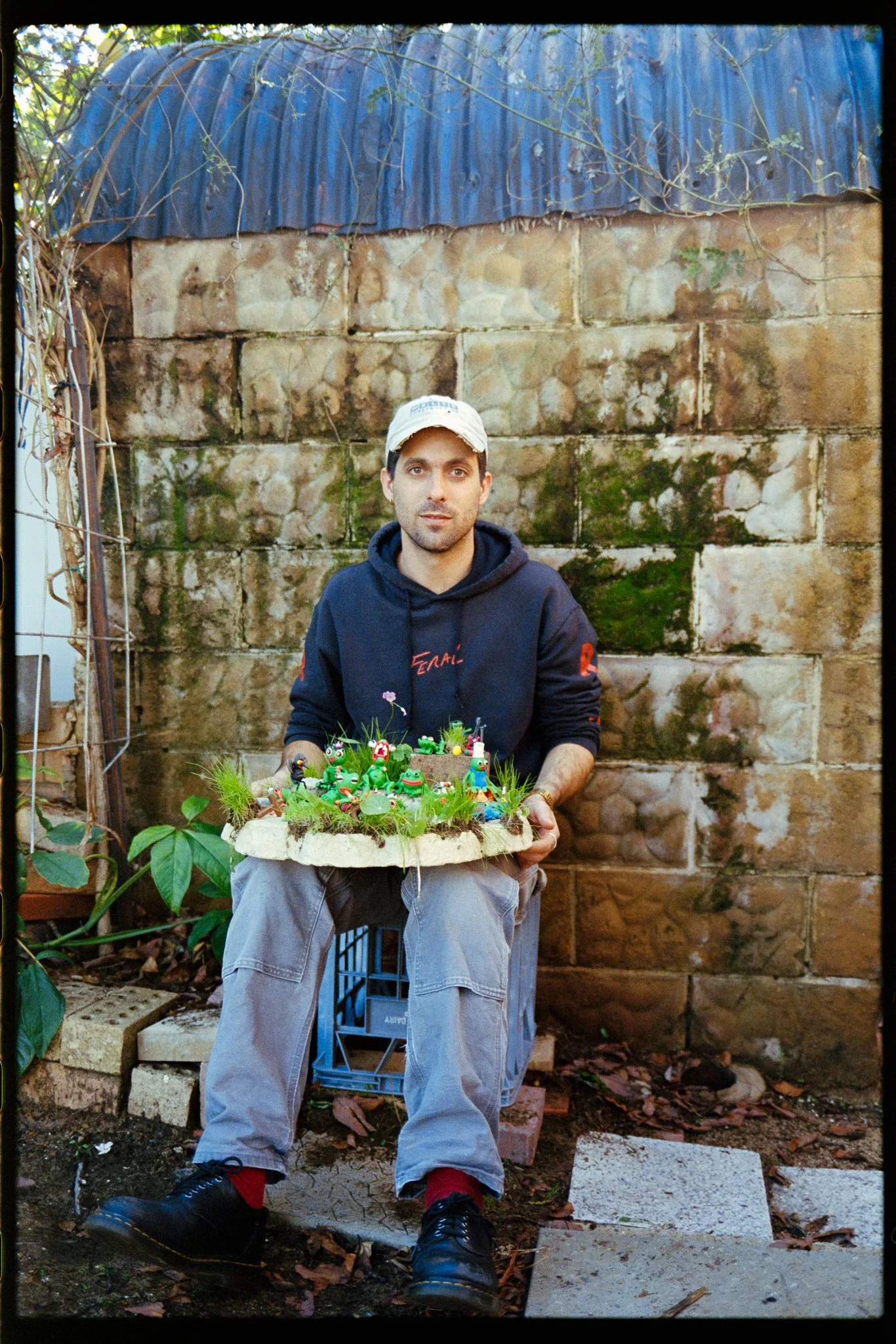
New Nausea’s frontman Albert Pritchard recently sat down with Ryan Borrett from Rockton Records to talk about their new record, Music for Frogs.
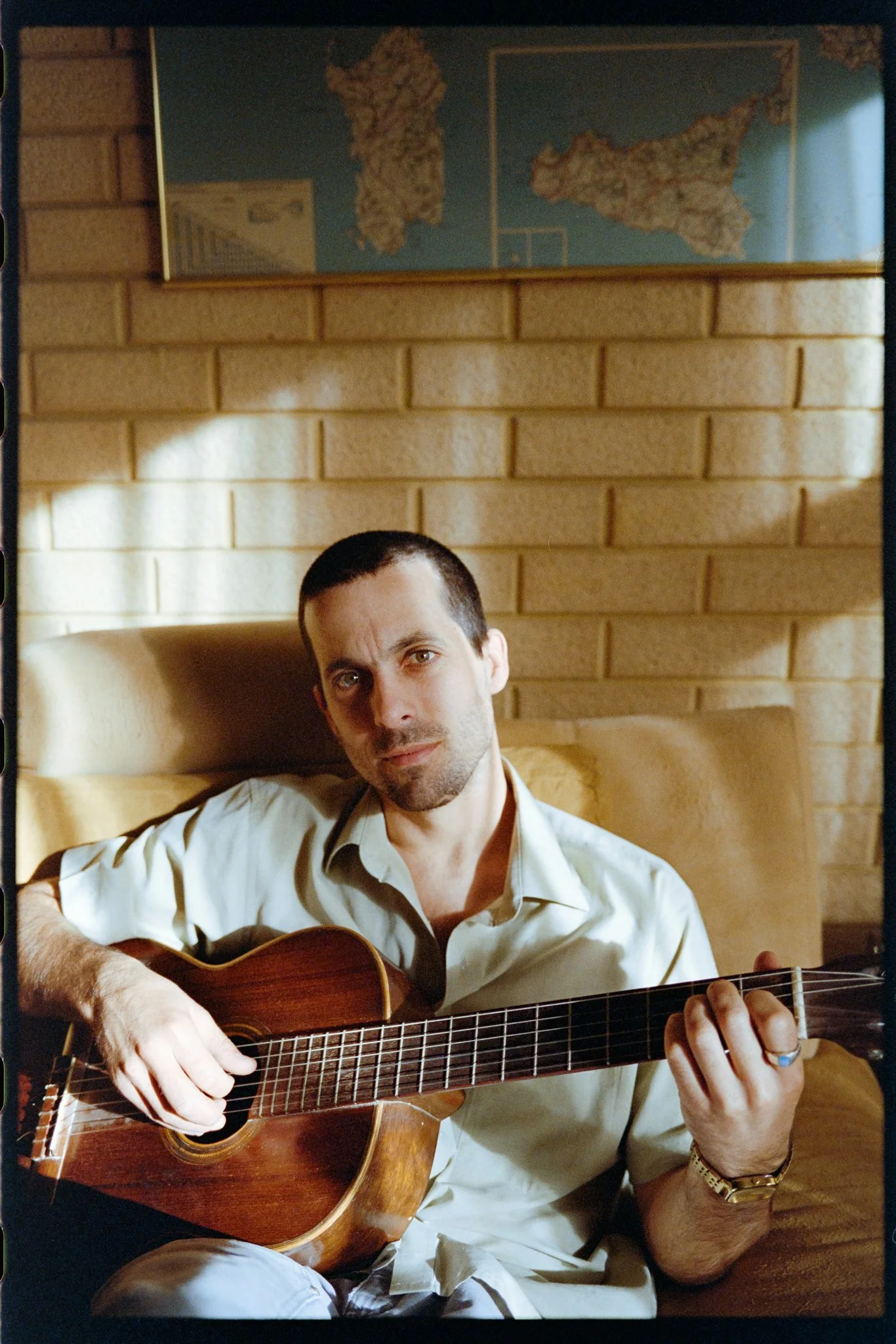
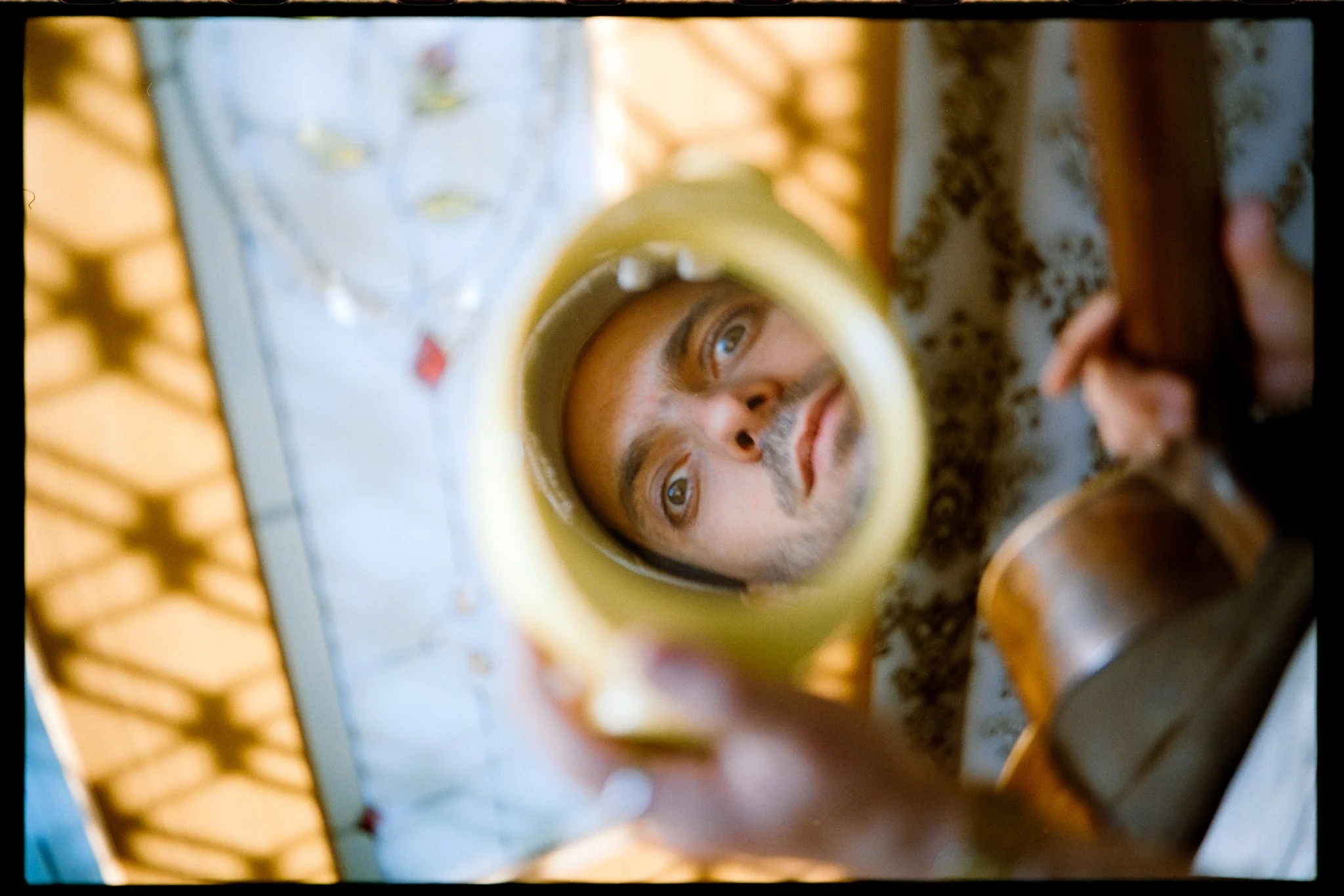
Photographs by Emma Daisy.
Albert: It's been occupying my mind for so long. I had this wild feeling the other day, in the morning waking up, ‘wow, it's gonna be out soon. The record's gonna be out and done’. It’s been so many years.
Ryan: How long has it been since [first album] Fountain of Struth?
Albert: It'll be at least six years by the time this one comes out.
Ryan: I get a sense of a slow, but measured dedication that comes across in this record, is that how you feel about it too?
Albert: Yeah because we're talking about six years of working on something, and it being something that I care so much about. It's so personal and essential to me that I make this. I definitely work it up in my head. Making music, making a record, is something that at some point I guess I've decided is what I absolutely must do. Alongside the other aspects of my life of course, it's not like I'm here pouring every atom of myself into it, but it's something that feels like once I finish one, I need to do another one. Once I finish that one, I need to do another one. It’s many years of that.
Ryan: This may sound kind of corny, but through all that time there emerges a real pursuit of excellence, or a very high bar you’ve set. Not just in the music, but also things like the artwork. A meticulous element maybe. Where do you think that push comes from?
Albert: I didn't want to release it until I felt like it was really properly realised, to be 100% happy with how it sounds, and what it communicates. It wasn't finished for ages probably because all the songs weren't there. I had other songs, but they weren't about what this record is about. This will sound really wanky, but I want it to be as good as all the records that I love, that I listen to. I wanted it to be as close as I can get to that. There's certain records I just adore. With my available resources and skills of course, it's not going to be extremely technical, but I have pushed very hard for it to be really high quality. I guess I compare myself to them, which may or may not be fair or realistic, but I always treat that as a good place to start. I can summarise it by saying I'm a turbo laughs I'm a total turbo about this stuff, and a perfectionist, and I always have been since I was a kid. And I always like to do it myself, like school assignments and stuff, I’d get offered help from my parents or siblings, but I didn't want it. I always needed to do it myself, pushing for something as good as I can do.
Ryan: Even though it’s been self driven at times, you’ve also emphasised how good of a community of people that have helped, or carried a big load through it all. How did those collaborations grow?
Albert: I've usually got a rough idea of the sort of thing I want, like the way the songs sound, or the album cover or the video clip. But I can't always communicate it to another person. In the lead up to actually recording this, I had most of the songs pretty much there ready to go. But we'd had people coming in and out of the band a lot, and were really struggling to get everyone on board and available at the same time, just struggling putting together a plan for it all. I didn't want to do it without everyone, I wanted to make it as inclusive as possible, for everyone to feel invested in it. But it got to a point where I realised, it's too hard to get four or five people all free for the same couple weeks in your late 20s, early 30s, whatever. So in the end, I just booked the recording time down at Torbay Hall for a set time, and said anyone who wants to come, can come. Jack Seah was the first big collaborator for that stage, because he can drum and has played in the project, understands the songs really well, and can record really well. Jack made himself available for that period, and then worked with me all through the next two years essentially.
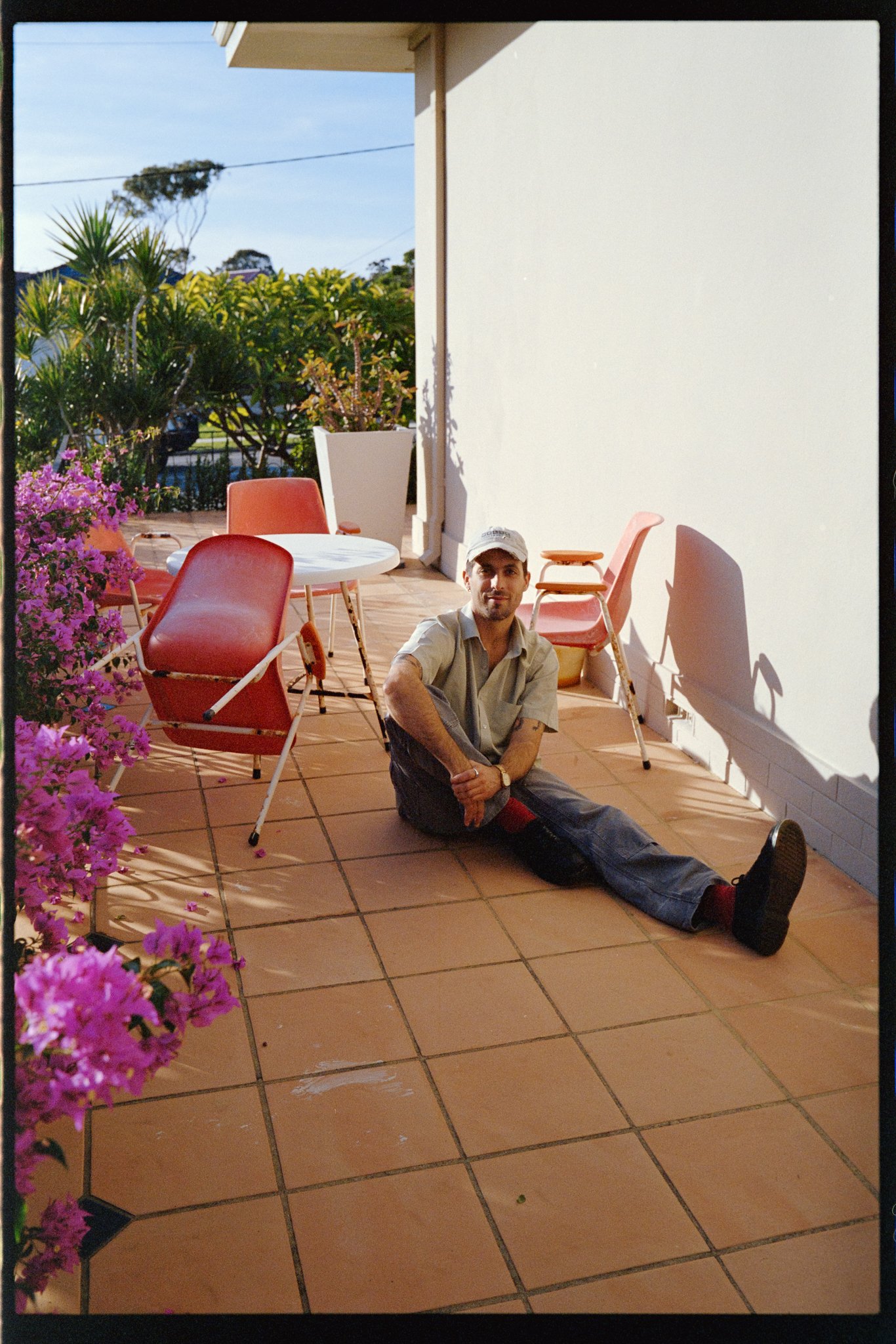
Ryan: Did you do any mixing, or was it all Jack?
Albert: No I don't know how to mix really, not like he does. I can do crummy demos, but a lot of the production is his work. I’d be doing charades or whatever to try and explain things I'd like. He'd just sit down and sneak something in there and just be amazing. He plonked some really cool stuff in there, like he did all the drum machines, little patches of breakbeats. It’s so playful, like he’s drawing or something, doing little scribbles. A real fun approach to production.
Ryan: The drums sound phenomenal. And some of the synths too, like on Destroy Everything and Sleepwalker, or Back on Top as well. They’ve got that digital snow, old video game kinda sound going on.
Albert: Yeah, all the same setting laughs It's the Yamaha PG35, which is like a kids keyboard essentially that I think Jack Gaby gave me, or sold me for 50 bucks. But it’s amazing, thank you Jack!
Ryan: Who played the string part on Say Anything?
Albert: Cecilia Brandolini, on viola. She also sung harmonies on Only Ever Coming Down, and played on that too. Jason Snook played some mandolin there as well. And Jy-Perry Banks played pedal steel. He came over to Perth to play some gigs one time. I'd never met him, and he was at Mojo's, and I was playing that night, and we got chatting briefly out the back, and he brought his pedal steel. I asked if he would want to come up and play a few songs? And he was down! This was four years, five years ago or something; I love what that did, took it to another realm.
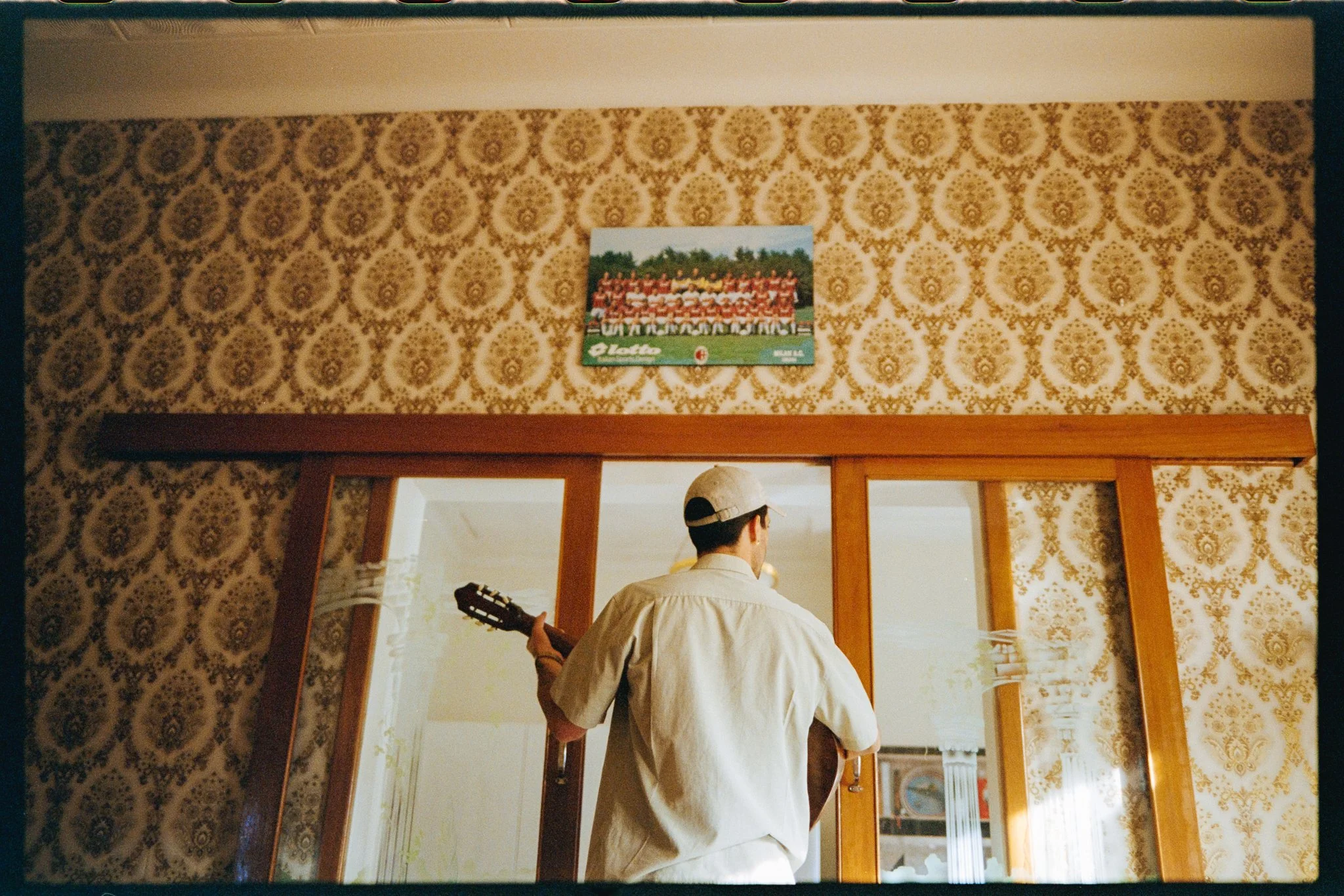
Ryan: Through the fairly lengthy creation process, did it still feel joyous?
Albert: At points, definitely at points. There's so many big emotions that are associated with it for me. It’s half triumphant, half shattered.
Ryan: That's probably not a bad way to describe the album in a few words, like as a slogan laughs Maybe even New Nausea as a whole.
Albert: I'm always bouncing between that. There have been points which are unbelievably joyful and exciting, where I'm reminded this is genuinely what I was trying to communicate, and the way I wanted it to sound. Where me and all these people that helped me, can sit back and say ‘we fucking did it. I actually wrote what I thought and felt’. I feel like I have to put into words things that have been really impactful on me. Like I'm duty bound in a way, or I've actually done my job or something, and successfully. But in between putting it all together, it can be unbelievably frustrating, and it's depressing and anxiety inducing. Like even a couple weeks ago, I was feeling like this is not working. And maybe this is shit actually. Maybe this is complete shit. You just don't know anymore after certain points. I just had a lull. We were in the midst of releasing singles, we're getting lovely attention, people are coming to the shows, getting good responses to everything. And I'm just suddenly bummed out about it. And then give it another couple of weeks, we play Mojo’s the other day, and we have a really great crowd, and great connection with everyone. And I'm just absolutely back on top again. ‘My God, this is great. It's so wonderful! I can't believe this thing's going to be done.’ It's just up and down the whole time.
Ryan: You can hear that. On When ICU, for example.
Albert: Which is goofy as hell. But also me flagellating myself.
Ryan: Congratulations on getting anesthetised in a lyric.
“I didn’t break your heart, you’re not a question mark
You’re more a faint, receding, distant spark
This moth once sought to be close to”
(When ICU)
Albert: Yeah I'm struggling to pronounce that one properly. But yeah half triumphant, half shattered; this is very much a thematic sort of record, sort of tied to stuff that I really wanted to communicate. It had to have a nice arc to it, to tell a story, or capture the course of events that happened through the period that it was written.
Ryan: It's a precious thing to have made something to permanently capture a time.
Albert: It is, but pushing real life and all the weirdness, the non sequiturs and the tangents into it; life doesn't actually feel like this record feels. This is just a segment of it, or a vein that runs through. There's this shallower layer of the record, which is self esteem and self hatred and stuff tied into failings in relationships especially. Letting people down and not letting myself off the hook for it, or not being able to forgive myself for it, like When ICU, or Destroy Everything.
“My curated complexity is too piss weak to prevail” (Slip the Punch)
Ryan: But there’s the other side of the coin too.
Albert: The things that have ultimately kind of pulled me out of that place have been my belief in myself, which has kind of come from external factors, like my friendships, but in this record, particularly the love of my Mum, who passed away in 2013. A lot of Fountain of Struth is about that, but this record too. Feeling distant from myself and being disconnected from myself and just out of phase with my own reality or something. Like Sleepwalker; going through life and being a bit untethered as a result of that experience. And that’s what happened in some of my relationships with people, and the battle with myself. What's pulled me out of it and is still helping to pull me out of it, is remembering the love of my Mum, and the love that I do actually have for myself, which is embedded in that memory of Mum, but I kind of lost track of. There was this big gulf put in my life, between my old, happy self when Mum was alive, and my current self, where I can be locked out of joy and self belief and all that sort of stuff. And I think this record is a bit about breaking that down and being like, no, no, I can get back to that. Like Back on Top. I was listening to it this morning, which was the last song that was finished, and also the last on the record, and I felt really emotional listening to it. It’s the culmination of all the themes and the genuine feelings behind it all. And Barnacle goes with that too. They're almost the same chord progression those two songs, and they’re meant to go together. Barnacle is literally looking at all of those things that I've beat myself with, like those other songs earlier in the record, and saying, ‘What have I been told about this? What have I been taught to be able to deal with this sort of stuff?’ And attaching that to Mum, what she taught me and showed me how to deal with feeling this way, which is to pull yourself out of it. You're gonna be alright.
“So I can’t sit and die
My soul in sorrow
I’ve better places to be”
(Back on Top)
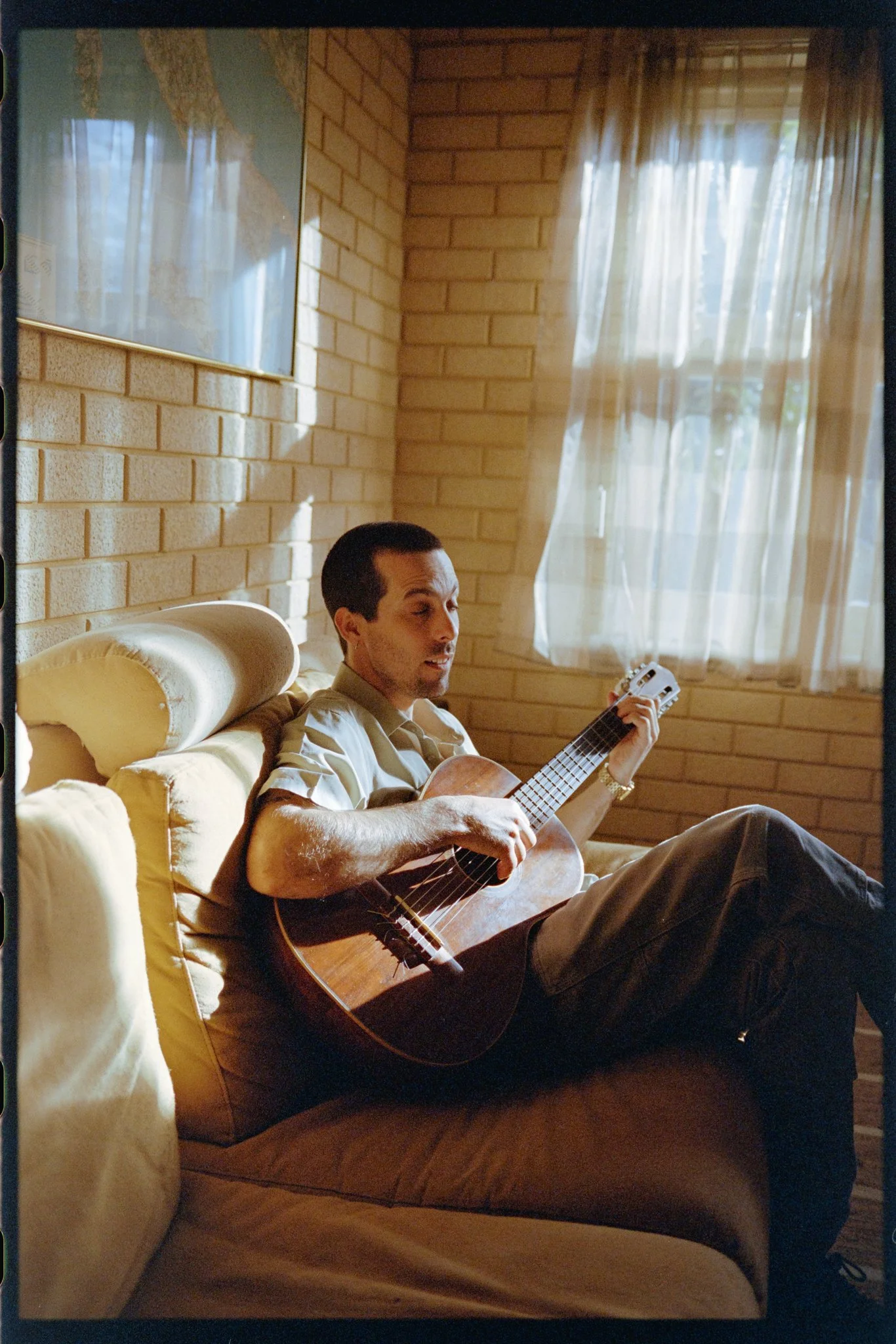
Ryan: It goes back to where the drive or the need to make this record might come from.
Albert: I think I've always had this desire to make stuff and share it, and that other people might connect with it too, like so many records that I love. When you first hear like shit like Elliot Smith, or it could be anything that connects with you, or makes you feel like seen and heard, you know like someone else feels that too, you take solace in listening to them. When I heard that sort of music, I thought I have to do that as well. I have to make stuff that turns everything inside into something solid and exterior and beautiful, hopefully. You know it's like a paying it forward sort of thing. I think it's been ingrained into me; whatever you got, you should make sure you give the same and a bit more back. Not that it's like I'm doing some sort of act of charity or something, not to aggrandise it too much, but that's what I kind of think you're meant to put your efforts towards, something good for other people.
Ryan: Why did you choose to go to Torbay to do most of the recording, and how do you feel the South West has been reflected in the album?
Albert: To give a boring and practical response, it was a lot cheaper than going to a studio laughs But no it is more than that, I felt drawn to going out of the city to somewhere where you’re just focused on doing the thing you're there to do, and I liked doing it DIY. I think that if you're dipping into that world of recording and then back into going to the pub and your housemates and your regular life, it kind of disrupts things a little bit. I like being in a natural space too. Where, you can easily dip out to a lovely environment. It's just more beautiful that way, more relaxing, and less distracting. It's got a lot of benefits I'd say. You compare that to day in, day out, going to the same spot in an industrial area or something like that, to recording somewhere like a hall that's over 100 years old and beautiful, and the amazing ocean nearby…anyone would choose that.
Ryan: Nature comes across lyrically as well. I mean, the album's called Music for Frogs laughs But there's a landscape and ecology there too. Had some of those lyrics been written before heading down to Torbay?
Albert: I’ve always just drawn from natural imagery. I love nature, I studied zoology. It's a special, special space for me to go to, like anyone, like most people. Most of what I think is the most beautiful and powerful and mysterious and wonderful is natural landscape, like ocean, or forest. That's the stuff that's got the most power behind it. It's just fucking beautiful. I guess I got raised in nature a lot, and I guess I feel drawn to that again.
Ryan: It’s in the interludes too.
Albert: Which are meant to sound like a swamp. A watery, swampy place, just to get right into the theme of it all.
Ryan: I think it frames it well.
Albert: Makes it nice and stupid laughs
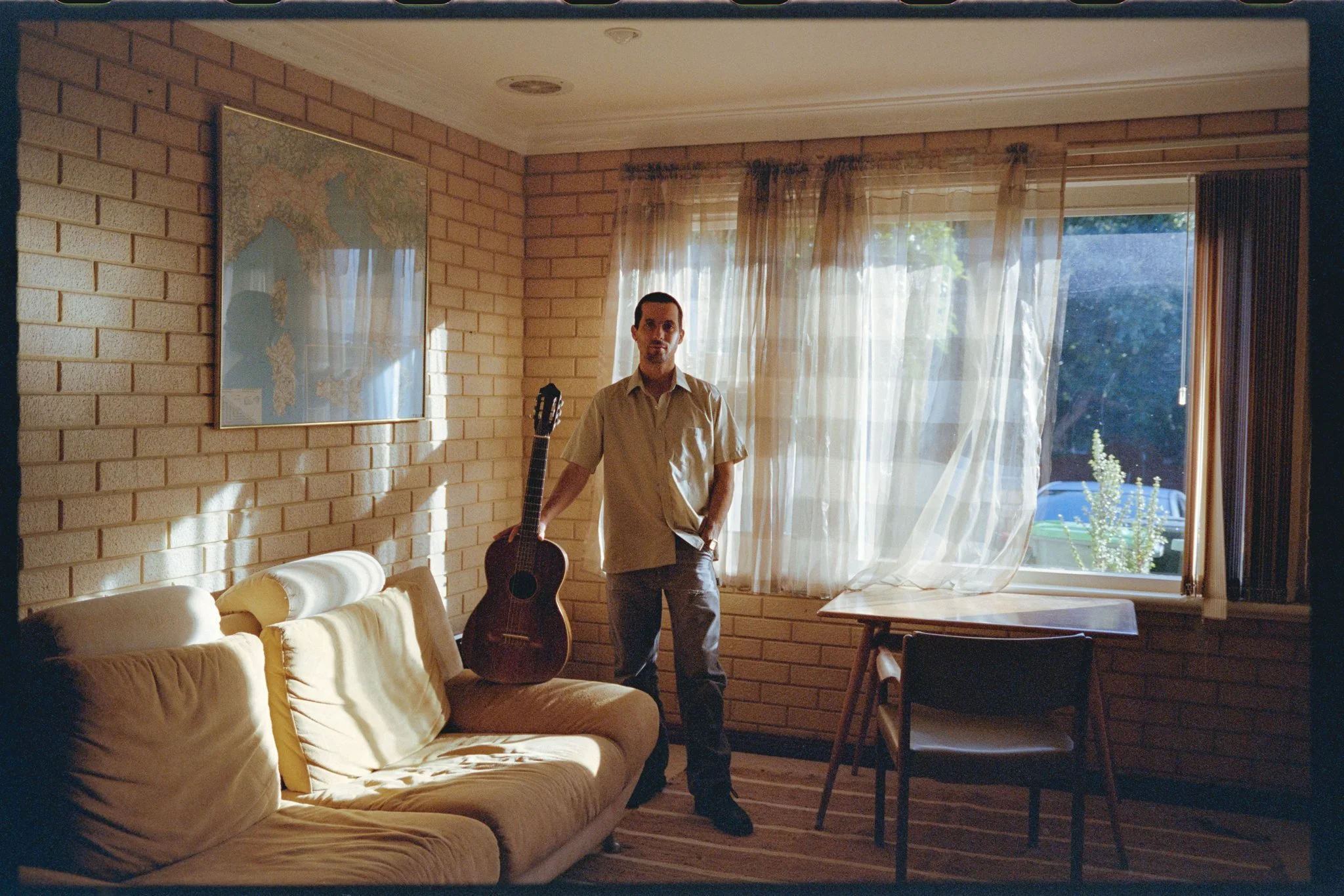
Ryan: The humor, and coming back to the present, especially after some of the more cathartic songs. There’s a big visual side to the record too; the diorama cover artwork, the hand-drawn animated clip you made yourself for Snow Globe, and the posters. How big a part of the record did that play for you?
Albert: I wanted there to be a through line there, to seem cohesive. I always wanted to try animating but just never had. At first I was gonna try and get a video clip made by someone else, but then I thought surely I can’t afford that, so I should just try and do it. I bought an iPad, and I started doing it. And it's not hard at all to me. I mean, you gotta really think about it, but it's not taxing. I like it so much. And when I finish doing it for a day, I want to do it again. It's so fun.
Ryan: Have you done much drawing before?
Albert: I always drew as a kid. Before I played music, I was always drawing, that was my thing when I was a kid.
Ryan: Would you ever do any visual art separate from music?
Albert: Who knows? I think I'll definitely do more animation. And maybe posters if people want them, or other artworks if people want them, on a small scale. I’m really intrigued by painting, but I don't know how I'd bear it. It's so serious to me, I was always just drawing. Maybe at some point in my life, but I think animating is going to be the thing I'm gonna be doing more of. Graphic design stuff, merch design, I find it super mysterious. I don't really know how to make shit look like cool right away. I don't really get it. I have to move stuff around for quite a while. I know that there are some hidden rules, and I don't know what they are.
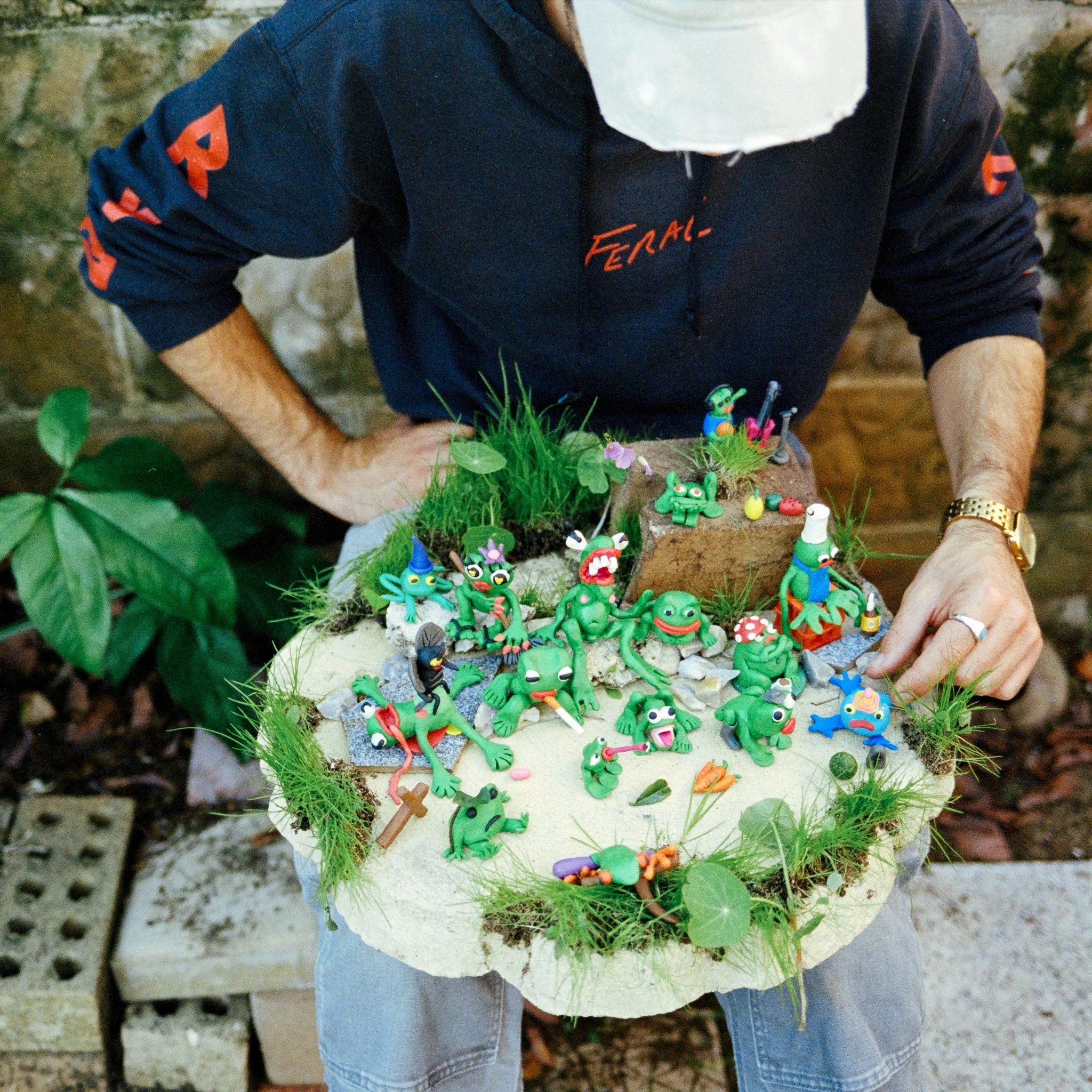
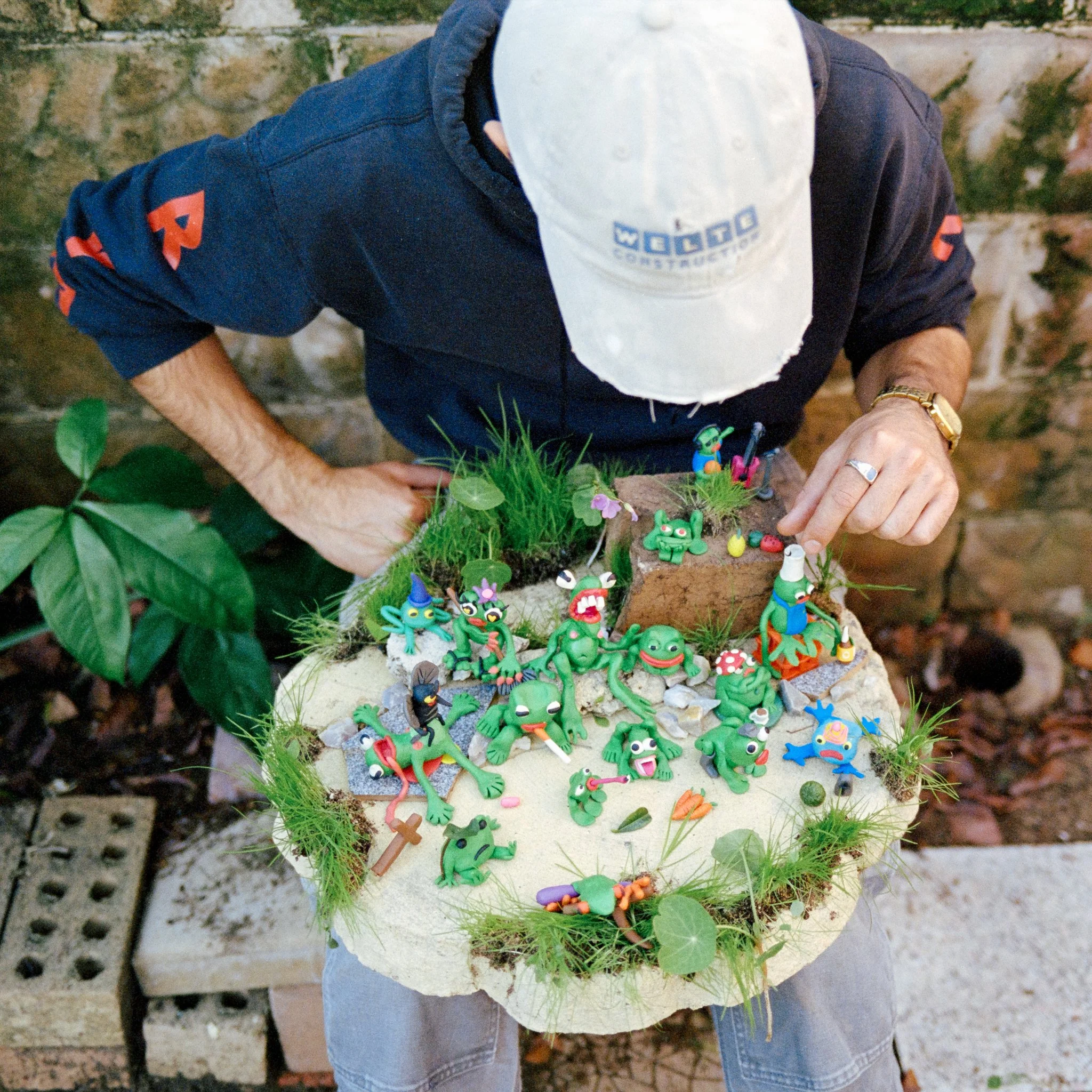
Ryan: The diorama artworks make sense.
Albert: It's very tactile, and it's also communal. You can just rearrange them and rearrange them. That was just a lot of fun, because it was an opportunity to get friends over and do it together. And even though I like doing stuff my way, I really like doing it with other people, and including other people. Band is a great opportunity to pull people in and collaborate. Asking people to play a show is like fun. You see them, you hang out, you see their stuff, and they see your stuff. You know, getting my girlfriend to be on stage in the frog outfit is a fun thing to do, making the album cover with friends is a fun thing to do. It's just a great chance to pull people together.